
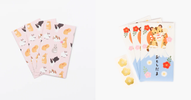
Which Mini Envelope Is Right for This Moment? A Japanese Pochibukuro Guide
, by ZenPop Japan , 8 min reading time
, by ZenPop Japan , 8 min reading time
Choosing a mini envelope may seem like a small detail, but it can quietly shape how a gift is received. Whether you’re giving a thank-you note, a gift card, or a modest cash gift, the envelope sets the tone before it’s even opened.
In Japan, one of the most thoughtful and widely used types of mini envelopes is called pochibukuro. While the name may be unfamiliar to some, the idea behind it is universal: a small envelope designed to make everyday gestures feel intentional.
This guide will help you choose the right mini envelope for the right moment, using Japanese pochibukuro as a practical and elegant reference.

A mini envelope is a small-sized envelope used for light, personal gifting rather than formal correspondence. It is commonly used to hold:
Unlike standard envelopes, mini envelopes are meant for personal exchanges, not official documents. Their size naturally signals that what’s inside is modest, thoughtful, and given with care.

A pochibukuro is a Japanese style of mini envelope traditionally used for small monetary gifts or tokens of appreciation. Rather than emphasizing the amount inside, pochibukuro focuses on presentation, restraint, and intention.
Japanese pochibukuro often feature:
Today, pochibukuro are used not only in Japan but also by stationery lovers worldwide who appreciate their quiet charm.
The envelope is part of the message. A well-chosen mini envelope can make a simple gift feel:
On the other hand, a mismatched envelope can unintentionally feel careless or confusing. This is why, in Japan, people often spend time selecting an envelope that fits the moment and the relationship, not just the contents.

MARUAI Small Envelope with Rabbit
For casual thank-yous — such as helping a friend, thanking a neighbor, or expressing appreciation — choose:
Japanese pochibukuro are especially well-suited for this, as they convey gratitude without feeling excessive.

For birthdays, milestones, or small celebrations, a mini envelope can add warmth and joy.
Look for:
Avoid overly formal designs, which may feel distant in celebratory settings.

GREENFLASH Mini Envelope (Grass)
When giving a small gift to a coworker, teacher, or acquaintance:
Japanese-style mini envelopes excel here, as their balance and simplicity feel respectful without being stiff.
Children often respond positively to:
These designs make the gift feel approachable and fun.
With close relationships, you have more freedom. This is a good place to choose envelopes that reflect:
Pochibukuro designs range widely, making it easy to match the mood.
For adults outside your immediate circle, restraint is key. A calm, tasteful mini envelope often communicates sincerity better than something flashy.

RYURYU Pochimaru Envelope
While mini envelopes are often associated with money, they are surprisingly versatile. You can also use them for:
Japanese pochibukuro are designed to hold folded bills neatly, but many also work beautifully for small non-monetary gifts.
Choosing a mini envelope doesn’t always mean starting with a finished one. Sometimes, the most fitting envelope is one you create yourself.
Making a mini envelope from design paper is a simple way to add a personal touch. All it takes is a sheet of paper you love, a basic folding template, and a few quiet minutes. You can use almost any patterned paper, cut it to size, and fold it neatly — letting the design guide the mood of the moment.
For those who enjoy a little structure without losing creative freedom, Japanese design paper is especially well suited for this.

TSUTSUMU OKINI Design Paper – Japanese Motif features 36 sheets of beautifully detailed, Japanese-inspired designs, each thoughtfully laid out to support folding, wrapping, and crafting.

The papers can be:
Because the patterns are carefully balanced, even a simple fold feels complete and intentional.
Handmade mini envelopes work beautifully for thank-you notes, gift cards, journaling accents, or small, thoughtful messages. Creating one yourself slows the process just enough to make the gesture feel considered — before the envelope is even opened.
Whether you start with a finished mini envelope or fold one from design paper, the goal is the same: to frame a small moment with care.
One reason pochibukuro adapts so easily outside Japan is that it relies on design rather than language. Most envelopes do not require reading Japanese to understand their purpose.
They are:
This makes Japanese mini envelopes ideal for international gifting and everyday use.
Choosing the right mini envelope is not about rules — it’s about attention. When the envelope fits the moment, the gesture feels complete.
Japanese pochibukuro offers a gentle reminder that even small exchanges deserve care. Whether you’re giving money, a note, or a tiny gift, a thoughtfully chosen mini envelope can quietly transform the experience.
Sometimes, the smallest details are the ones people remember most.

